Technical

PostgreSQL Dead Rows The Ultimate Guide to MVCC, Database Bloat, Performance Degradation, and Long-Term Optimization

PostgreSQL Dead Rows: The Ultimate Guide to MVCC, Database Bloat, Performance Degradation, and Long-Term Optimization

PostgreSQL is widely respected for its correctness, reliability, and ability to scale from small applications to mission-critical enterprise systems. It powers fintech platforms, healthcare systems, SaaS products, and high-traffic consumer applications.

Write Less Fix Never How Highly Reliable Software Is Really Built

Write Less Fix Never How Highly Reliable Software Is Really Built

Modern software teams talk a lot about speed. Faster releases faster feedback faster iteration. Somewhere along the way instability became acceptable as long as it was quickly patched. Bugs are tracked outages are normalized and constant fixes are treated as part of the job.

Good Commits vs. Bad Commits A Practical Git Guide for Developers

Git Good Commits vs. Git Bad Commits: A Practical Git Guide for Developers

Table of ContentsWhy Commit Quality MattersWhat Is a Commit in Git?Good Commit Characteristics1. Logical ScopeExample of a Good Logical Scope2. Clean DiffsExample of Clean vs. Messy Diff3. Clear Messages4. Test Coverage5. ReversibilityBad Commit Characteristics1. Large, Unfocused Commits2. Poor Messages3. Including Temporary Debug Code4. Committing Generated FilesCommit Message TemplatesGit Workflow Best...

Understanding JSON Web Tokens (JWT) for Secure Information Sharing

Understanding JSON Web Tokens (JWT) for Secure Information Sharing

In modern distributed architectures, especially those built on microservices, serverless functions, and cloud-native platforms, one of the biggest challenges development teams face is how to authenticate and securely share information across systems without sacrificing performance or scalability. Traditional session-based authentication models often fall short, particularly when applications run across multiple...

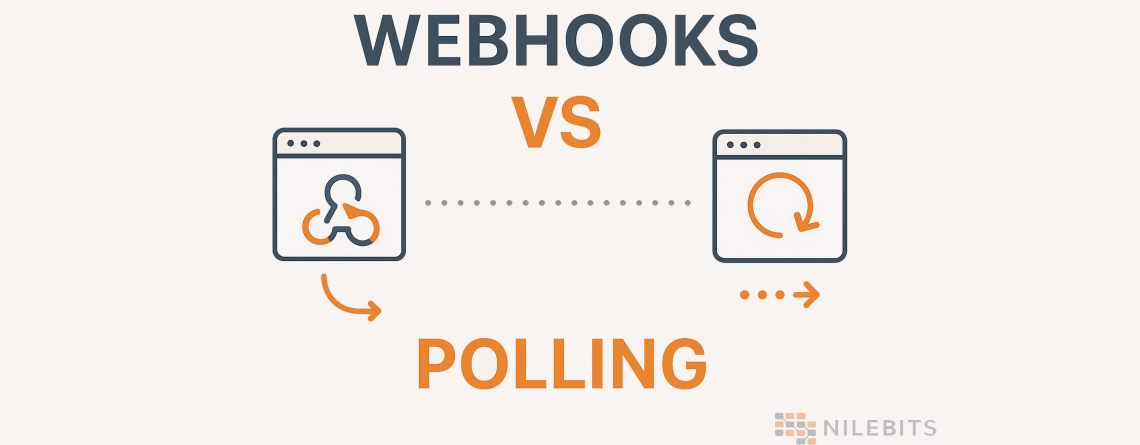
Webhooks vs. Polling

Webhooks vs. Polling

Modern software systems are more connected than ever. Applications exchange data, communicate in real time, and automate workflows without human intervention. Whether you are building a SaaS product, integrating payment systems, tracking orders, syncing data between platforms, or creating DevOps automation pipelines, you will eventually face a core architectural decision:

How CORS Works Behind the Scenes

How CORS Works Behind the Scenes

Cross-Origin Resource Sharing, or CORS, is one of those web technologies that many developers hear about only when something breaks. You might be building a new frontend, connecting to your API, and suddenly your browser throws that dreaded red error:“Access to fetch at ‘https://api.example.com’ from origin ‘https://frontend.example.com’ has been blocked...

Understanding Machine Learning Models

Understanding Machine Learning Models

Machine Learning (ML) has become one of the most important technologies driving innovation today. From the search results you see on Google to Netflix recommendations, spam detection in your email, medical diagnosis tools, and autonomous vehicles, machine learning models are at the heart of modern AI.

How to Master Clean Code and Write Maintainable Software

How to Master Clean Code and Write Maintainable Software

Writing software isn’t just about making something that works today — it’s about making something that will continue to work, be readable, and be maintainable tomorrow, next year, and by other developers you may never meet. That’s where the idea of clean code comes in.

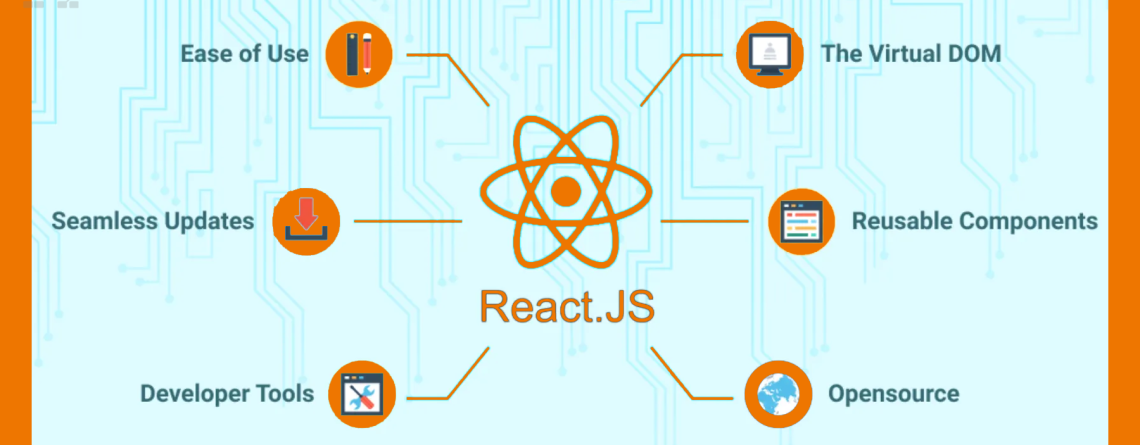
The Quick Guide to React Concepts

The Quick Guide to React Concepts

The most widely used JavaScript library for creating contemporary, dynamic, and interactive user interfaces is called React. Building scalable and sustainable apps requires an understanding of React ideas, regardless of your level of experience with web programming.

When and Why to Use Types Instead of Interfaces in C#

When and Why to Use Types Instead of Interfaces in C#

C# developers have long relied on interfaces to build abstractions, promote loose coupling, and enable testability. While interfaces offer valuable capabilities in the right contexts, they are often overused—or misused—when concrete types (classes or abstract classes) could provide a more expressive, maintainable, and robust solution.