Tag - SQL

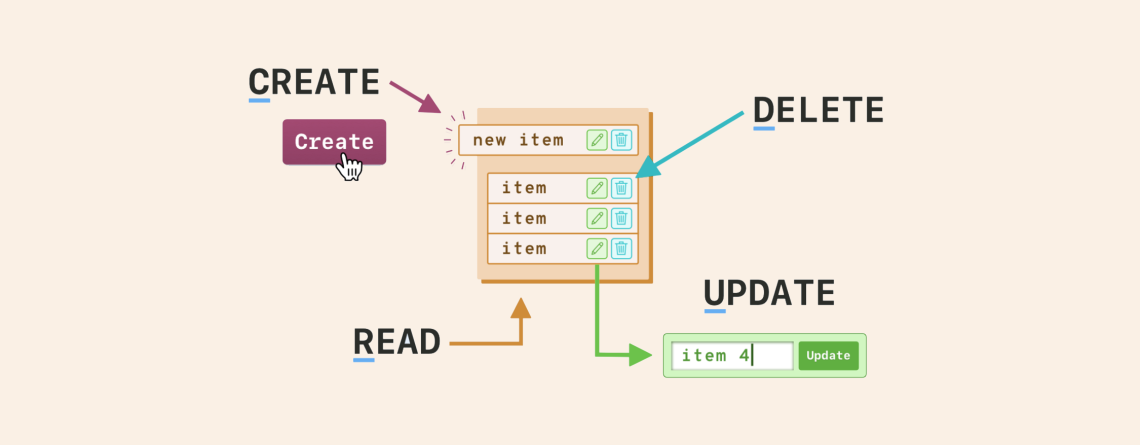
CRUD in SQL Unleashing the Power of Seamless Data Manipulation

CRUD in SQL: Unleashing the Power of Seamless Data Manipulation

Any reliable software system must include database administration at its core, and frictionless data manipulation requires a solid understanding of SQL CRUD procedures. The basic operations for interacting with data are represented by the acronym CRUD, which stands for Create, Read, Update, and Delete. We'll go over these procedures in...

Understanding the Power of DISTINCT in SQL Server Queries

SQL is an integral part of data management in the realm of relational databases in the world. The most popular SQL keyword used is DISTINCT that filters out and select only unique values in a data set. This detailed guide will discuss all the strengths and weaknesses of SQL Distinct in regards...

How To Get The Differences Of Two Databases With SQL Server?

It's important to know the distinctions between two databases in the realm of database administration. SQL Server provides strong tools and approaches to assist you accomplish this work, whether you're moving data, doing data validation, or just making sure consistency. With code examples, we will examine how to use SQL...

What are some common uses for views in SQL databases?

Views in SQL databases are essentially virtual tables that are built from SELECT query results. Instead of actually storing data, they offer a mechanism to show data from one or more tables in an organized form. Views are used for a number of things, such to increase security, show data...

Database Management Made Easy: Monitoring Autogrowth Settings in SQL Server

Within the domain of database administration, SQL Server has established itself as a staple, providing support to numerous systems and programs. Maintenance is a requirement even for the most efficient tools; ensuring they are optimized is crucial for maximizing their potential. Despite its importance, autoincrement settings and their monitoring are...

SOLID Principles in Action: Designing Agile and Scalable Applications

In the fast-paced world of software development, designing applications that are both agile and scalable is essential for success. The ability to quickly adapt to changing requirements and handle increased workloads is crucial for delivering software solutions that meet the demands of today's dynamic business environments. One approach that can...

SQL SERVER – Finding the Last Used Stored Procedure

In the realm of SQL Server, memory management plays a crucial role in optimizing database performance. Monitoring and tracking the usage of stored procedures is essential for identifying performance bottlenecks and improving overall efficiency. In this blog post, we will delve into a SQL Server query that allows you to...

Mobile App Development: Choosing Between Native and Cross-platform

Businesses confront the vital dilemma of picking the proper strategy for constructing their apps in the fast-paced world of mobile app development. With the increased demand for mobile apps across several platforms, the decision between native and cross-platform development is critical. Nile Bits, a renowned mobile app development firm, recognizes...

Empowering Software Development with ASP.NET Zero: How Nile Bits Can Elevate Your Projects

Developers are continuously looking for methods to streamline development processes, enhance productivity, and deliver high-quality apps in today's competitive software market. ASP.NET Zero, a comprehensive application framework, has emerged as a strong option for accelerating software development by combining the finest techniques, tools, and capabilities. In this blog article, we'll...

Top Data Science Programming Languages

In recent years, data science has become a vital component of many enterprises. It entails extracting insights and information from data using statistical and computational methodologies. Data science requires the use of programming languages capable of processing enormous volumes of data and executing complicated algorithms. This blog article will go...